-
Children of Fear – Episode #1

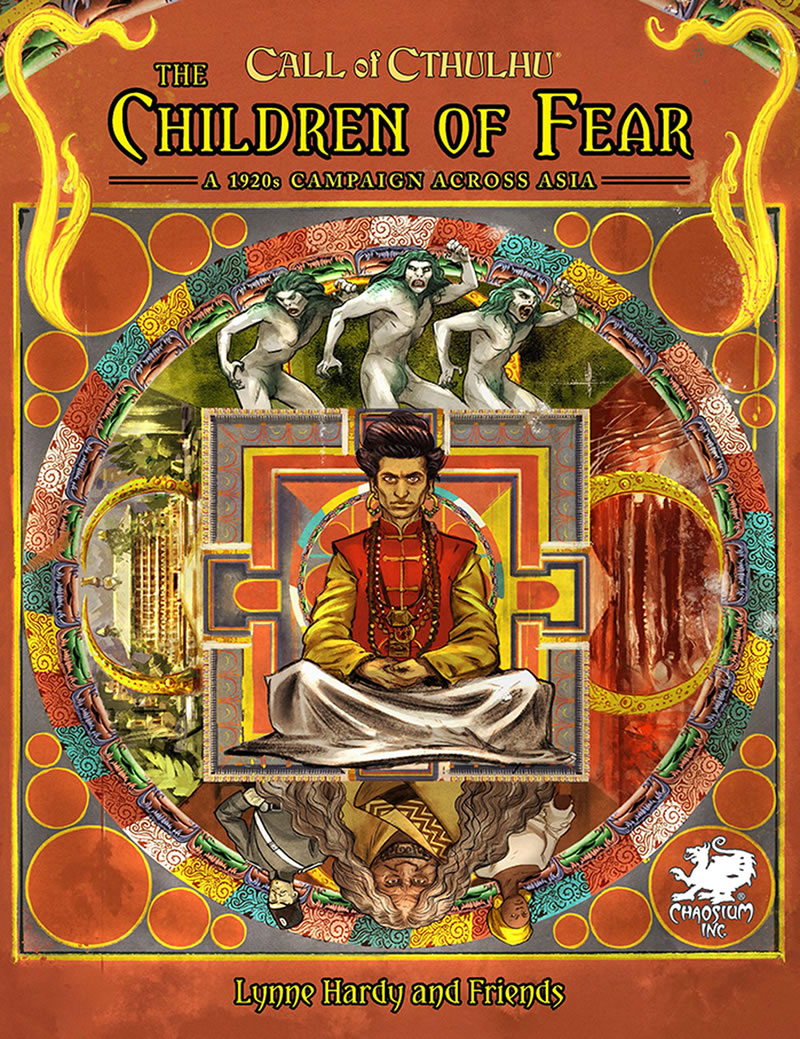
20 September 1923, Peking. In the Foreign Legation Quarter the air always feels a little staged, as if the city has been asked to stand politely behind a rope while the West takes its tea. Outside those streets, Peking is vast and alive and complicated. Inside them, the rules are clearer, the uniforms sharper, the
-
Terminus: Cthulhu Hack remix

I really like TERMINUS. It’s got that specific London-transport dread: fluorescent logic, wayfinding that assumes you’re compliant, the sense that the building is designed to move bodies efficiently… and then the geometry starts moving you. When I prepped it for The Cthulhu Hack, I found myself wanting one extra layer: a sensible structure that makes
-
Hillfolk: Talk First, Fight Later (Maybe Much Later)

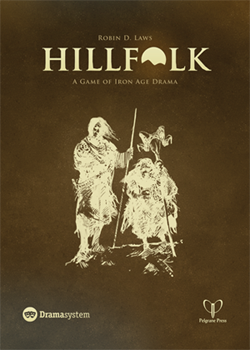
Hillfolk sits on that part of my shelf where the “conversation-forward” games congregate like gossiping aunties at a wedding. But I didn’t come to it for the soap. I came looking for a low-magic, community-first historical game, something that could live in the day-to-day friction of a tribe trying to survive winter rather than the
-
After: Stonepunk Dreams at the End of the World

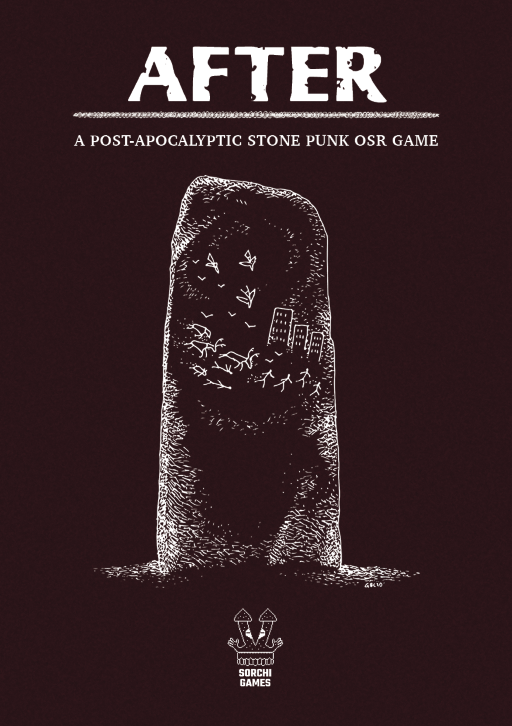
Every few months I get the itch for “my” post-apocalyptic game. I’m not looking for the one with gun-nuts in ice-cream vans or zombies in tactical vests, but something stranger: broken worlds, new cultures, weird ecology, big feelings about the end of everything and the awkward beginning of whatever comes next. Then I look at
-
How I Run Session Zero

There was a time when my “session zero” was about fifteen seconds of nervous throat-clearing followed by, “Right, you’re all being hunted / fighting some gobbos / on a job for BigCorp. Go.” No discussion of tone, no boundaries, no sense of what anyone actually wanted out of the game. We just hurled ourselves at
-
Dolmenwood: Pixie Boots on Firm Old-School Ground

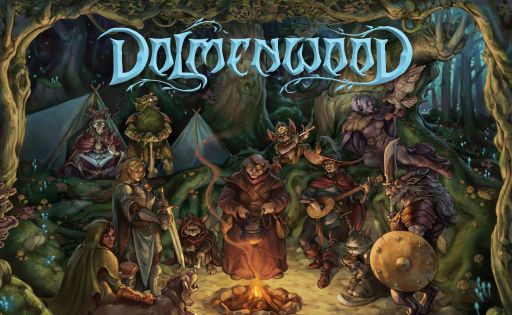
There are books you leaf through and think, “Lovely art, someday.” Then there are books that smell like a campaign, the kind that squat on your shelf and mutter rumours until you give in. Dolmenwood is the latter: three brick-thick hardbacks that look like a children’s fairy atlas left out in the rain and retold
-
A Simple Call of Cthulhu Chase System
I like Call of Cthulhu’s chases in theory. On the page, they’re clever: abstract locations, hazards, vehicles, movement rates. At the table, though, I always hit the same snag: I can’t remember the sequence, I start flicking through the book, and what should feel like a breathless sprint turns into a rules consult. So I
-
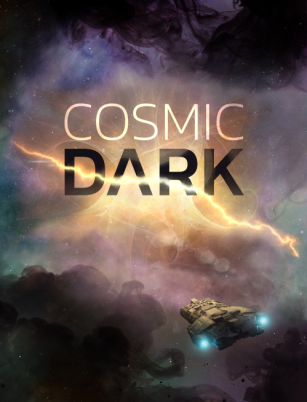
Golden Scars & Bad Decisions: Reviewing Cosmic Dark

The phrase “cosmic horror in space” covers a multitude of sins and a fair number of excellent games. What makes Cosmic Dark interesting is not just the corporate-hellmouth vibe, but how confidently it structures that vibe into something you can run tonight. The book opens like a briefing from a smiling HR ghoul: you’re Employees
-
How to Actually Improvise at the Table (Without Having a Panic Attack)
I run games in two completely different modes. On one side, there’s my Children of Fear campaign: a glorious monstrosity of prep. I’ve turned the book into episodic node graphs for an open table. Every chapter is broken into session-sized cards containing scenes and locations with arrows going everywhere. I have digital sticky notes, colour-coded
-
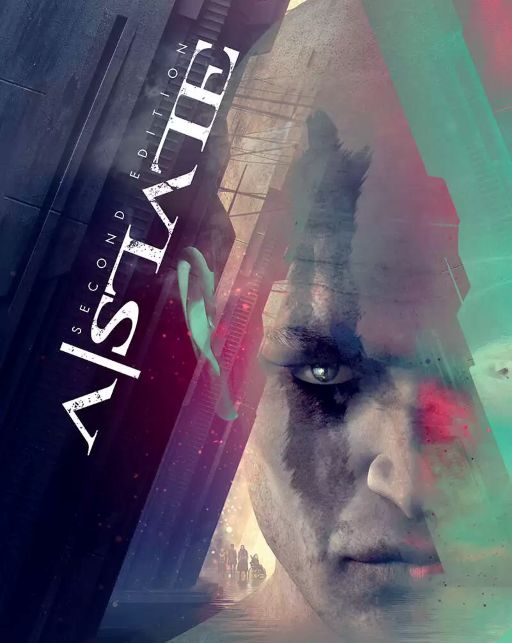
a|state 2e: Hope, Grit, and the Corner You’ll Bleed For

I’m the kind of GM who likes frictionless rules and plenty of texture: fiction first, mechanics that nudge rather than nag, and a setting that gives me a reason to care whether the power stays on in a tenement. Also, I am an unrepentant sucker for good art; this book is a stunner. Paul Bourne’s